The Scary World of Protein Powders
14th August 2017
Protein powder can be a great way to help you reach your daily target for protein intake but when it comes to the choosing the perfect protein powder, the choice can be a bit overwhelming. Knowing what to buy, when to consume it and getting to grips with the hype can be confusing to say the least.
First and foremost, protein powder should only ever be seen as a supplement to your diet rather than as a meal replacement. Don’t get me wrong, if you add a variety of seeds, fruit and vegetables to your shakes you can make a really nutritious snack, but I would always advocate eating real food above this. Foods such as avocado, spinach, seeds, raw cocoa powder, dates, grated courgette (yeah you did read that right), chia seeds, berries and frozen banana all work wonders to give your protein shake extra nutritional punch.
Aside from shakes, protein powder can be added to lots of the things you cook – from porridge to cakes – to boost your protein intake and keep you feeling fuller for longer.
Many women are nervous that drinking protein shakes will bulk them up and give them big Hulk-esque muscles but women have far less testosterone than men which means putting on muscle mass is a much tougher job.
So what is protein exactly?
Like carbs and fat, protein is a macronutrient that our body needs to survive and is made up of building blocks called ‘amino acids.’ Our bodies don’t produce protein naturally so we have to consume it in order to fuel our bodies correctly.
Protein is commonly known to be responsible for healthy hair, skin (collagen) and nails as well as building muscle, but it also plays a vital role in hormone balance, cartilage and blood formation.
There are nine essential amino acids that can be found in all animal sources such as meat or fish. Pulses and legumes are also great sources of protein but other than quinoa and hemp, they don’t contain all the nine essential amino acids. Therefore it is recommended that you combine different vegetarian/vegan protein sources to be able to ensure you’re getting the right combination. (See my vegan e-book for more indepth information on protein combining).
So what are your choices?
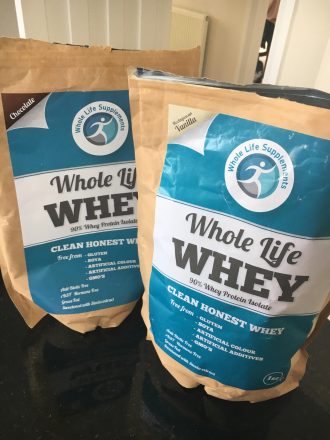
Whey protein powder
Whey is a by-product of the cheese making process – whey being the liquid remaining after the milk has been curdled and strained. The whey is then processed to yield whey protein which can be in concentrate or isolate form. Depending on the brand and the cost of the protein powder you buy, the powder will consist of differing amounts of whey concentrate and whey isolate. Isolate has a higher protein content than whey concentrate and is lower in carbs, fat and lactose which means that if you are dairy intolerant, you may not have a reaction to isolate, but it does come at a slightly higher price. I would however say that if you are allergic to dairy, both whey concentrate and isolate are best avoided. I do find that clients that are just slightly intolerant to it do just fine on it, so give it a go and if it’s not for you, and you get a reaction try a plant based protein.
Whey powder contains all nine amino acid (importantly, glutamine) and is easily digested which is why it’s recommended to consume post workout to refuel muscles. Just to give you an idea of its make up, a typical whey powder consists of around 80% protein whereas a steak, for example, is between 30 and 40%.
Hemp protein
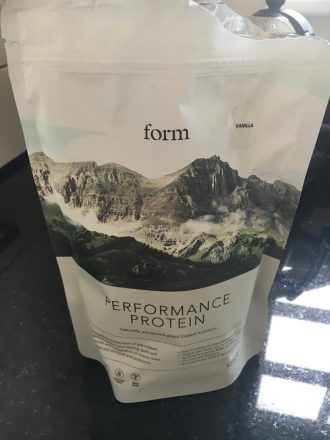
Hemp protein contains approximately 50% protein concentrate and all 20 amino acids including the 9 essential and 2 semi-essential amino acids. It is rich in omega-3 fatty acids as well as being high in insoluble fibre and is easily digested which makes it a good option for those with sensitive stomachs.
Brown rice protein
Brown rice protein is a good vegan substitute and is rich in insoluble fibre and magnesium. It’s also a great choice for those avoiding soy (as it’s soy-free) which some manufacturers sneak in. It contains all of the essential amino acids but some people are not keen on the texture which I can only describe as grainy.
Casein
Casein comes from cow’s milk and is commonly used by body builders who want to maintain muscle mass during their sleep to prevent the muscle breakdown. It is absorbed slowly and doesn’t hit your blood stream so quickly.
Pea protein
Personally, I can’t stand the taste but if you do, pea protein is high in arginine, lysine and phenylalanine, contains a complete amino acid profile and is easy to digest! It is made from either yellow peas or split peas. It contains low levels of cysteine and methionine (which brown rice protein is high in) so if this is one of your only protein options, try to mix it up with brown rice protein.
WORD OF CAUTION
Protein powder is a booming industry and there are a huge number of brands currently on the market. Many of the brands out there are high in artificial substances and added sugars to make the protein powder look and taste more appealing. Sucrose and maltodextrin are just a couple of added ingredients you are wise to avoid when choosing a protein powder. My advice is to choose a protein supplement that is clean as possible and if there is anything you can’t pronounce on the list of ingredients, then that’s a good sign that you need to avoid it.