Gluten-Free Grains to spice up your recipes
7th June 2016
Are you confused about the different variety of grains available to buy, and why they are good for you? If so, read on …
Grains are the small, hard, edible dry seeds that grow on grain crops, members of the grass family. Grain crops can be categorised as either cereals or legumes. Grain contains fibre, B vitamins and folic acid and some contains high levels of protein. Food made from grains include breads, pasta, breakfast cereals and oatmeal as well as many processed foods.
Despite being a staple throughout the world, there is widespread debate about the health effects of grains. Many people struggle to digest certain grains and this has given rise to the popularity of diets such as the paleo diet which encourages the total elimination of grains.
Below is a description of all the gluten-free grains on offer and will hopefully open your eyes to the wide-ranging variety available to you.
Amaranth-
Commonly referred to as ‘the new quinoa’, there are 60 varieties of amaranth, a tiny seed of the well known plant ‘Love Lies Bleeding’. It can be cooked in water and has a slight peppery taste. You can add it to breads to increase the protein content.

Buckwheat-
Believe it or not, buckwheat is actually related to rhubarb. Also known as kasha, it can be a useful grain when avoiding gluten. It is used as a flour to make pancakes and soba noodles. Do bear in mind that buckwheat flour is quite ‘heavy’ in texture so cakes made with it will no be light and airy.

Millet-
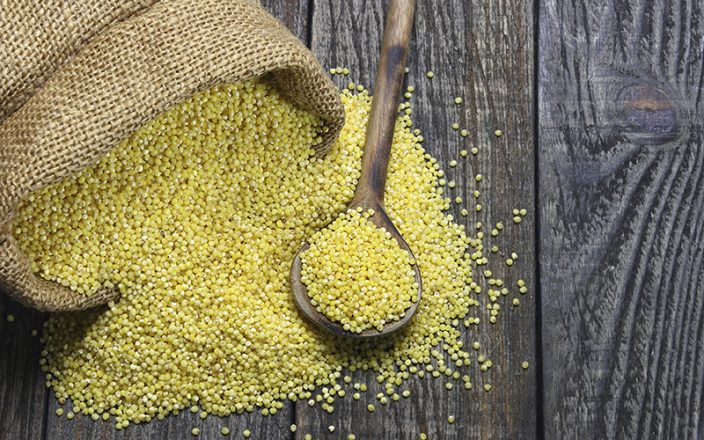
Millet is actually a small-seeded grass of which there are lots of varieties. A stape in Asia, especially India and Africa, it’s often used in bread or to make porridge or stews.
Quinoa-
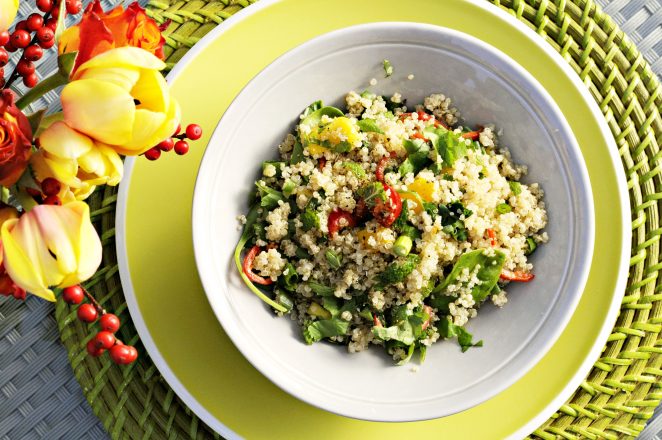
This is a tough grain crop which can be grown without much water for it’s edible seeds. It is the only grain to contain all nine essential amino acids and is a great high protein choice.
Quinoa seeds, whole or flaked, can be cooked in very much the same way as rice and are available in several coloured varieties such as red, white and black.
Rice-
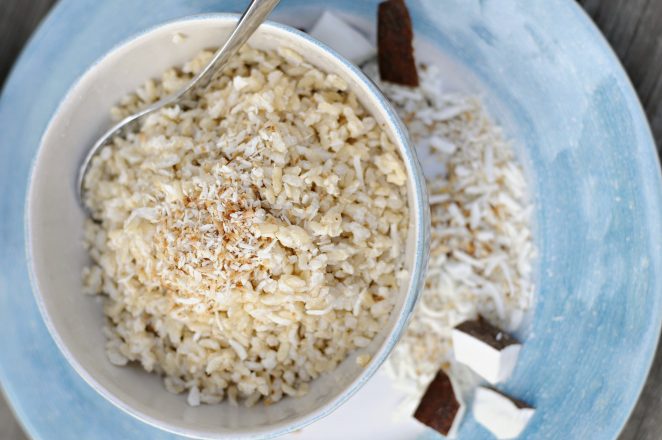
A very common grain but one which can leave people feeling bloated. White rice has the germ and bran removed, while brown rice is left intact. Did you know that wild rice is actually a grass!?
Teff-
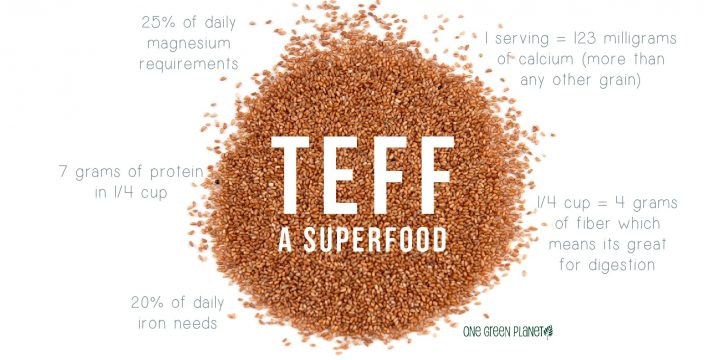
This tiny grain indigenous to Ethiopia, teff is one of the toughest food plants on the earth. It is often eaten in Africa as a pancake-like bread called ‘injera’ but can be used as a substitute for wheat flour in almost anything. It is widely believed teff will become the next international ‘super grain’.
A note about soaking … soaking grains overnight helps to remove their protective layer of phytic acid, rendering them more digestible and nutritious. If you see the description ‘sprouted grains’, it just means that the grain has been soaked in water for a period of time.